Section 5

Strategic Outputs

Personas distilled from the field, opportunities mapped to United Nations Sustainable Development Goals (UN SDGs), and recommended next steps.

Section 5.1

Personas

Seven personas built from 11 interviews, 5 cultural probes, and 6 sensory-cues intercepts. Five customer-side, two restaurant-side. Quotes are verbatim — every persona points back to a row of the research matrix.

Seven personas — five customer-side, two restaurant-side — distilled from the 11 interviews, 5 cultural probes, and 6 sensory-cues intercepts. Each persona is anchored in a specific row of the research matrix; quotes are verbatim.

7Personas
11Interviews
5Cultural probes
6Sensory intercepts

Customer side

Five customer personas

They span the full adoption funnel — from people who’ve never seen the option to high-frequency users questioning their return. Filter by adoption stage or setting, and read the chart to see how their needs relate.

Filter the personas

Adoption stage
Setting

At-a-glance comparison

Delivery frequency × handoff friction

Each persona is placed by how often they order (X) and how much friction they experience at the handoff (Y). Hover a dot for a quick read of why it sits there, then click Know morefor the full persona card.

Hard to liftLow use · high frictionCritical usersHigh use · high frictionGrowth opportunityLow use · low frictionComfortable regularsHigh use · low frictionDelivery frequency →Rarely ordersDaily userHandoff friction →Low-frictionexperienceHigh-frictionexperienceHenry — The High-Rise PragmatistHenryCamille — The Returning Suburban UserCamilleLauren — The Campus NativeLaurenDaniela — The Mid-Rise CuriousDanielaMaximo — The Reluctant OutsiderMaximo
Ring colour =AwarenessTrialRoutine

5 of 5 personas shown. Hover or tap a dot to preview · click for the full card.

Restaurant side

Two restaurant personas

Supply-side framing — one operator already running robots, volumetrically; one watching from the sidelines.

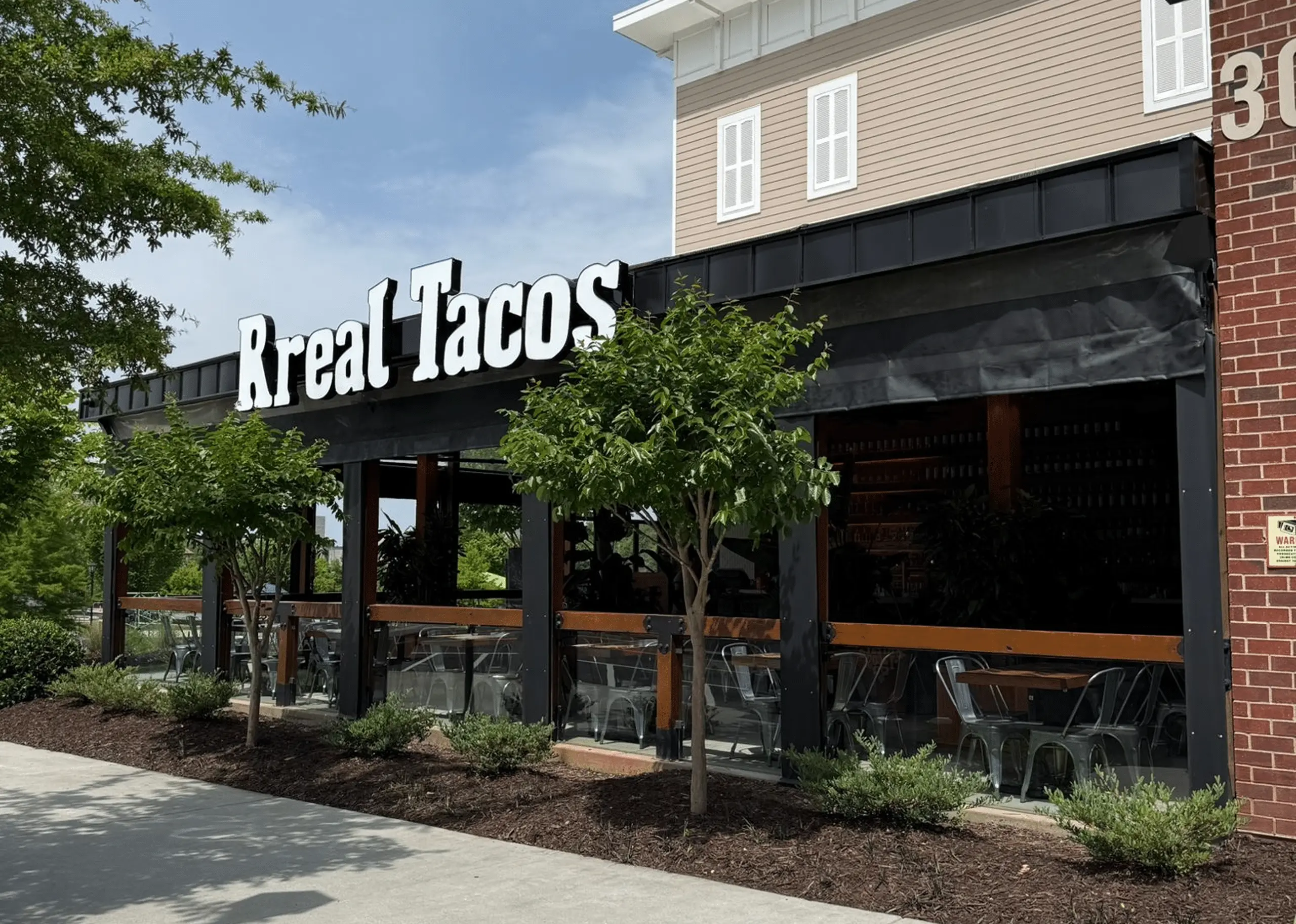
Real Tacos storefront
06

Real Tacos

The Satisfied Operator

Matrix row 1 · Interviewer: Alejandro Carpio Pascual

Male waitress, 25–30 years old. Restaurant: Real Tacos (Atlanta).

We just put the food inside when it arrives.

Goals

Process orders without disrupting in-store service.

Reality

  • Low staff training; familiarity with the system is minimal.
  • Zero personalization; ticket-based assembling.
  • Minimal/short interaction between staff and robot (pickup → assigned robot → close lid).
  • Overall satisfied. "We don't receive many robot orders."

Operational pain

Robots are net-positive but volumetrically marginal. Workflow has been adapted but not optimized — a missed opportunity for incremental volume.

Design implication

Restaurants with robotic service today operate on minimum-viable integration. Better staff training + corporate alignment + commercial transparency (commission savings vs. labor) would unlock real adoption.
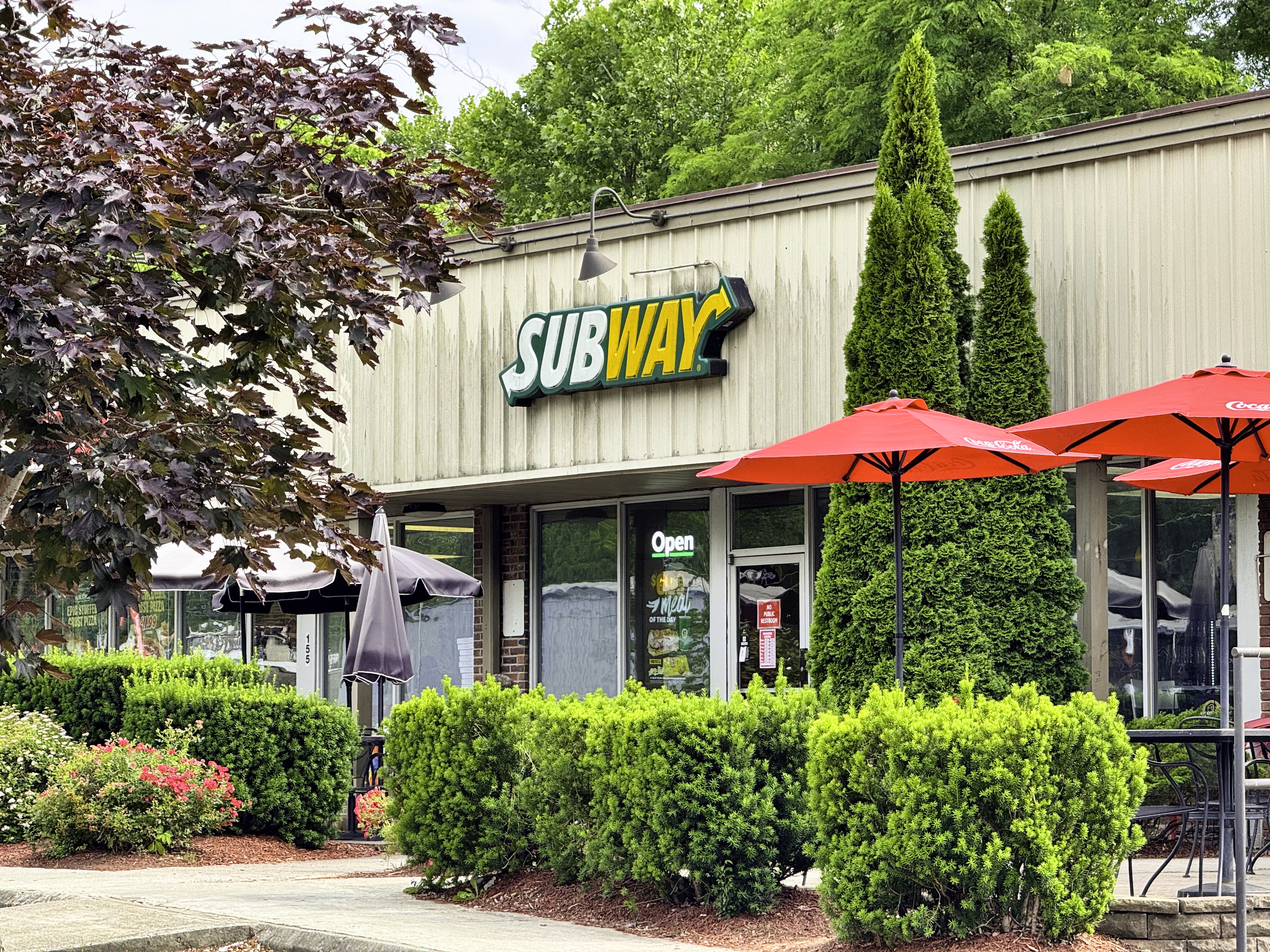
Subway · Georgia Tech storefront
07

Subway · Georgia Tech

The Closed-Environment Sweet Spot

Matrix row 11 · On-campus deployment with Starship.

Campus-based franchise inside Georgia Tech, running active robotic deliveries through Starship.

Inside the geofence the workflow just works — outside, you don’t exist.

Goals

Capture high-volume student lunch and snack orders without expanding floor staff.

Reality

  • Closed-environment campus = mapped paths, predictable density, controlled handoff zones.
  • Volume is healthy because students see and trust the robots daily.
  • Customers outside the geofence have no path to ordering — discovery dies at the edge of campus.
  • Brand identity of the robot doesn’t carry over to the platform; the unit is the brand, not the app.

Operational pain

Demand drops off a cliff at the geofence boundary. The model only works where the platform has deeply mapped the physical environment.

Design implication

Closed environments (campuses, corporate parks, gated communities) are where robotic delivery is already viable today. The real expansion question is: can the platform replicate this controlled environment in open urban deployments?

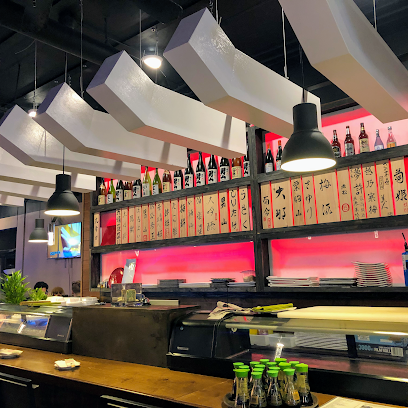
UMAI Sushi storefront
08

UMAI Sushi

The Skeptical Non-Adopter

Matrix row 10 · Interviewer: Vicente Hernaiz

Restaurant manager. Virginia Highland, Atlanta. Does not use robotic delivery.

Our customers haven't asked for it. We hear about other things — gluten-free shells, late-night hours — but no one's emailed me asking for a robot.

Goals

Improve operations and customer satisfaction. Adopt new tools only when there's a clear pull.

Reality

  • Lack of explicit customer demand is a real signal.
  • Concerns about urban environment (crosswalks, vandalism, vulnerable populations near robots) are real and need a platform answer.
  • Office-tower delivery (above-ground hand-off) remains a structural mismatch with sidewalk robots.
  • Successful adoption needs corporate alignment + on-site training + commercial transparency.

Design implication

The case for adoption can't be one-sided. Restaurants need (a) demand signal, (b) an answer for urban-environment concerns, (c) commercial transparency comparing commissions to labor savings. Without these, the offer doesn't move.

Adoption funnel

How the personas relate to each other

Stage 1Discoverability bottleneckCurious or aware, not yet adopting.
  • 04Danielamid-rise, curious
  • 05Maximocampus, distrustful
Stage 2Trial conversionTrying, but friction sticks.
  • 03Laurencampus
  • 02Camillesuburban
Stage 3Routine adoptionUsing often — but questioning return.
  • 01Henryhigh-rise

Restaurant supply side

06 · Real Tacos — using07 · UMAI Sushi — not using

Continues in →

Section 4 · Ideal Experience

These seven personas inform the four Lextant axes. Each axis is carried by specific personas:

I feel
Emotional regressionCamilleSocial awkwardnessLaurenDistrustMaximo
I am
Time-pressed professionalHenryCurious, open-to-trial userDaniela
It allows
Building integrationHenryRobot IDLaurenIn-app discoverabilityDanielaCorporate alignmentUMAI
Sensory cues
Audio arrival cueCamilleVisual IDLaurenSocial nicetiesCamillePrice clarityMaximo

Section 5.2

Opportunities

Seven opportunities mapped to personas, UN SDGs, and the impact–effort matrix.

Seven opportunities, each tied to specific personas, source rows, and at least one UN SDG. Ordered by their placement on the impact–effort matrix — opportunities 1, 5, and 6 ship first; 2, 4, and 7 next sprint; 3 is a multi-quarter partnership push.

7Opportunities
3UN SDGs covered9 · 11 · 13
3Q1 ship-ready
1Multi-quarter

Impact–effort matrix

Where each opportunity sits today

All seven are high impact; effort separates them. Hover a dot for a quick read of why it sits there, then click Know morefor the full opportunity card. The matrix is provisional — final scoring should be ratified by Uber Eats product + partnerships using internal cost data before commitment.

Sweet spot · ship firstEffort →LowVery highImpact →LowHigh1234567
Ship first (Q1)Next quarter (Q2)Multi-quarter

Tap a dot for the full opportunity card · hover on desktop for a quick preview first.

Section 5.3

Recommended next steps

What this study couldn't resolve, and what the team recommends as the next research and design pushes — plus what's intentionally not in scope and three open questions for the client.

Research gaps

Four gaps this study couldn’t resolve

The discoverability fix has not been usability-tested

Our recommendation in § 5.2 for an in-app robot opt-in is grounded in evidence but has not been prototyped.

Recommendation

5–8 usability sessions on a clickable prototype.

High-rise integration is unmodelled

Henry's persona surfaces the workflow regression but the team has not run a session inside a real concierge or locker scenario.

Recommendation

2 building site visits + 2 concierge interviews.

Sensory cue design has no fidelity test

We know neutrality is the dominant register; we don't know which specific cue (color, sound, motion, on-screen content) shifts it.

Recommendation

Participatory design workshops with 6–8 participants.

Restaurant Return on Investment (ROI) is not transparent

UMAI's main objection — “no one's emailed me asking for a robot” — is also an ROI conversation in disguise.

Recommendation

A quantitative survey of 30+ restaurant managers cross-referenced with platform-side commission data.

Recommendations

Five recommendations

Three sit inside the team’s scope as immediate design moves; two are longer-term strategic moves outside scope.

Prototype the in-app robot opt-in

In-scope

Highest-impact, lowest-effort opportunity from § 5.2. The prototype should test a transparent flow for choosing robot delivery at order time, the system's notification of the final assigned delivery method (robot or human courier), the available robot routes for the order, and whether the user's pickup location is currently in coverage — including which time windows are robot-eligible.

Recommendation

Ship as a clickable Figma OR a coded high-fidelity prototype + 1 round of 5 usability sessions before any production work.

Specify the two-way social signaling pattern

In-scope

Define the light + sound + on-screen content the robot uses on approach (≤ 5 m).

Recommendation

One pattern, four state transitions, one accessibility pass.

Draft the building-integration Request for Proposal (RFP)

In-scope

An RFP is a short specification the team takes to property managers and building-tech vendors so they can quote a build against a known scope. This one covers indoor handoff hardware and the API surface needed for last-meter integration.

Recommendation

Use Opportunity 3's three-phase model as the RFP's structure.

Policy pilot zone advocacy

Out-of-scope

Currently a fraction of cities have legislative sandboxes.

Recommendation

Recommend Uber Eats partner with Atlanta city government to expand pilot zones beyond campus + Beltline.

Equity audit of deployment maps

Out-of-scope

Recommend the platform measure deployment density vs. neighborhood income.

Recommendation

Publish a roadmap to close the “sidewalk divide.”

Intentionally NOT in scope

What this deliverable doesn’t do

  • Service design outputs (service blueprint, journey map, wireframes, prototypes). Produced separately outside the IDUS 215 deliverable.
  • A second round of primary research. Recommended in (1)–(4) above but not part of this client book.
  • Engineering work on the robot platform itself. This is a research-and-strategy deliverable.
For Uber Eats

Open questions for the client

  1. Q1.What is the current FTU (first-time-use) conversion rate for robotic delivery in active deployment zones, and what's the target?
  2. Q2.Is there appetite for a building-integration partnership program in Atlanta in 2026?
  3. Q3.Can the platform commit to surfacing the sustainability number at order time? (Strongest single climate lever in our data.)

Up next

Section 6 · Appendix

The evidence layer — research matrix, source documents, and external references.